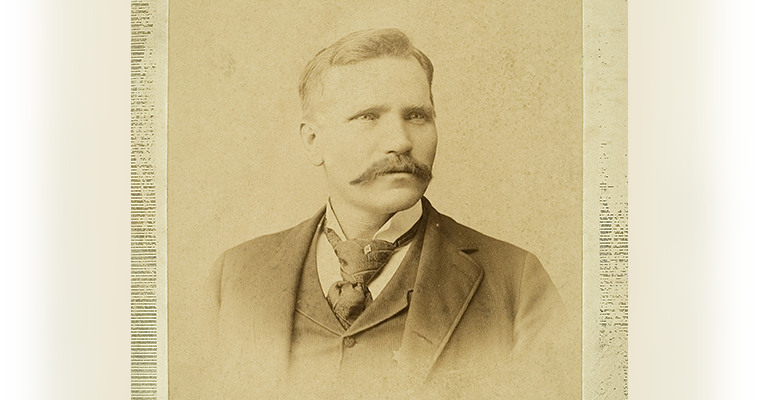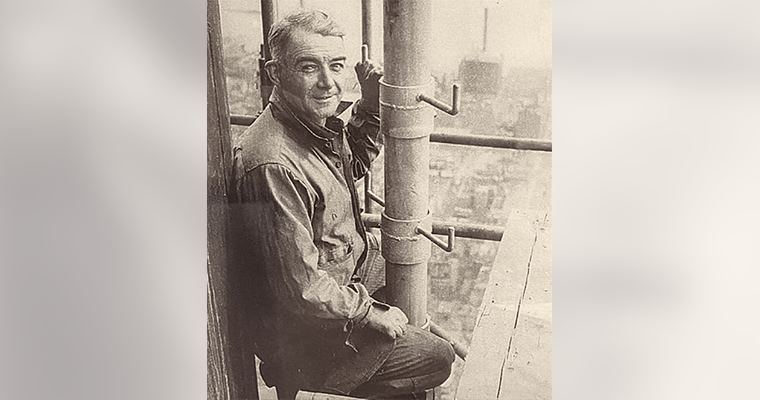

The IBEW has an admirable track record of prioritizing, and securing, physical safety. It’s one of the reasons Henry Miller started the IBEW in 1891. What wasn’t addressed as much in the past was mental health.
Today, more and more locals are offering support and trainings on how to deal with the issue. For Diamond Bar, Calif., Local 47, psychological wellbeing is just as important as physical safety.
“It’s important to prioritize mental health along with safety,” said Jenny Lavin, who works with Local 47 and Southern California Edison on training members how to help someone in need. “We want people to know that they don’t need to suffer in silence.”
From 2019 to 2024, Local 47 had five worksite fatalities, 19 overdoses and 22 suicides. And these sobering statistics aren’t confined to this jurisdiction. Locals across the U.S. and Canada have their own numbers showing how mental health can take a toll on members, as well as their families.
Local 47 represents utility workers, who are often among the first responders where a tragedy has occurred. Witnessing such trauma can leave those workers dealing with their own psychological distress. But few members seek out support.
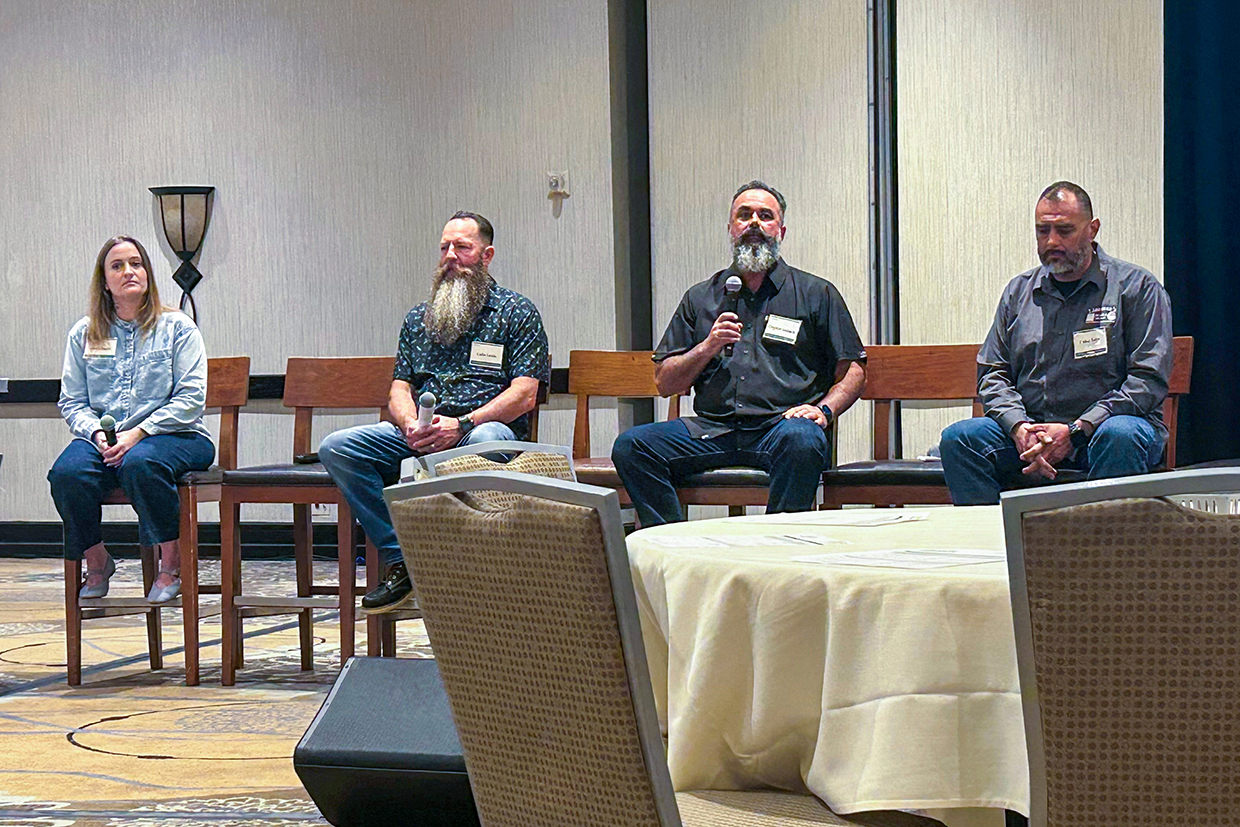
“These guys are often the first people on the scene, before bodies have been removed,” said Local 47 Business Manager Colin Lavin. “They’re witnessing tragedies that are beyond explanation.”
In response to the need for mental health support, Local 47 offers a range of services and resources. In addition to its Employee Assistance Plan, group meetings are held after hours on Zoom for substance use recovery discussions and peer-to-peer support.
For those who are willing to go further and get trained on how to help someone who may be struggling, the local — along with SCE — offers a three-day training based on critical incident stress training. CISM is a model used by police and firefighters, as well as lineworkers. It teaches how to respond to someone who has witnessed a tragedy. It also covers how to have those hard conversations with someone and address how they’re feeling.
The CISM three-day class is like mental health on steroids,” Jenny Lavin said. “It offers a multi-step process that allows individuals to process the emotional and psychological effects of an incident.”

Another training that’s offered by the union is Mental Health First Aid, a program that teaches members how to recognize, understand and respond to signs of mental health or substance use challenges.
“It shows you how to provide the first level of support,” Colin Lavin said. “Basically, it teaches you how to listen more and talk less.”
Jenny Lavin, who started Union Care Solutions, an organization that offers mental health and peer support education, pointed out that a lot of programs offer trainings on what to do right after an incident, but they don’t address aftercare.
“Usually, there’s only a safety stand-down after an injury or fatality, and that’s it,” she said. “These people are hurting. Workers and families are affected, and everyone is going around like it’s business as usual.”
Peer-to-peer support is often the best way for someone get to help — or offer it, Colin and Jenny Lavin both said. It can be a lot easier to talk to someone who understands the job, the culture and the lifestyle.

“Nobody wants to talk to suits or someone they don’t know,” said Colin Lavin, who took the CISM training with Jenny. “They need someone who can offer that human touch and familiarity.”
Clayton Loback, with signatory contractor Sturgeon Electric, also supports peer-to-peer training.
“The peer-to-peer model is something that our first responders already do,” Loback said. “Just like firemen or law enforcement, people in our field would like to speak with someone who understands the culture and nuances of our trade.”
Jenny Lavin said Mental Health First Aid works by training members, leaders and peers to recognize when someone may be struggling and to have supportive conversations. CISM offers support on how to respond after traumatic incidents and connect members to additional resources when needed. Local 47 has trained 100 workers in CISM and 50 people in MHFA. Union Care Solutions has trained over 100 apprentices in suicide prevention.
She stressed that this is not training members to be therapists.
“It’s about helping crews look out for one another in a healthier and more sustainable, effective way,” Lavin said. “The goal is to create a culture where members know how to recognize stress, respond to one another and stay connected after difficult experiences.”
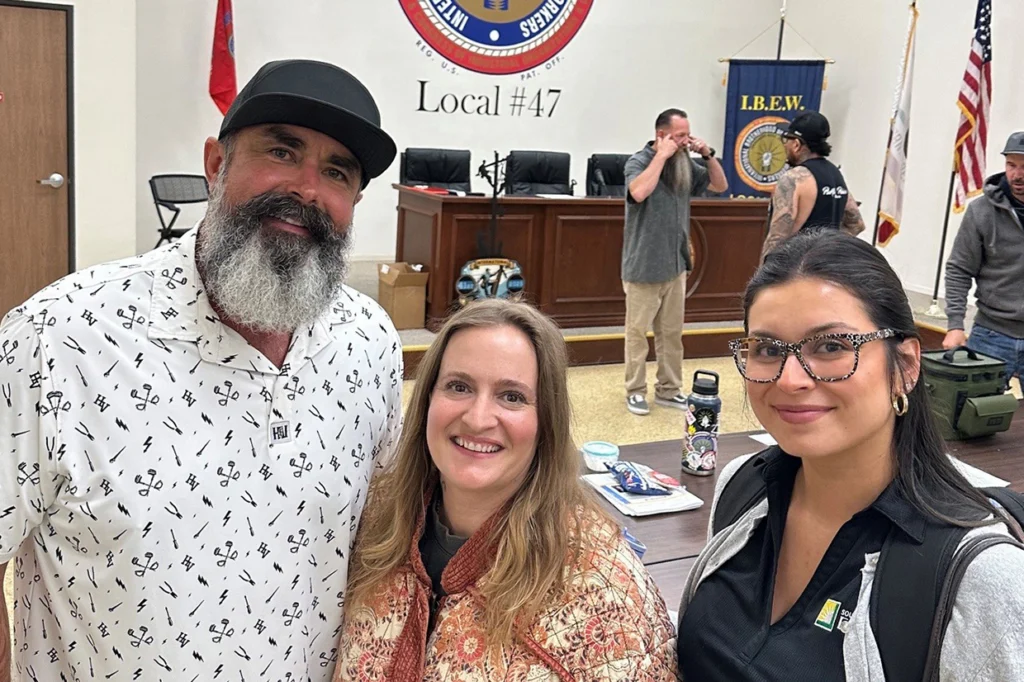
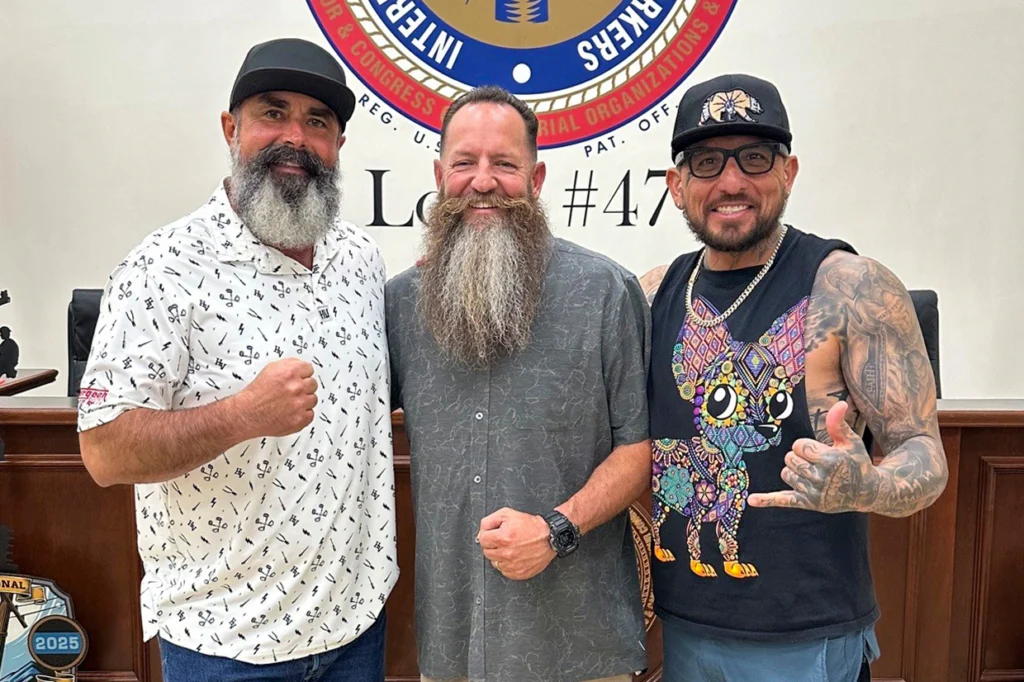
Having buy-in from the employer is crucial, added Lavin, who trains members alongside Jaqueline Leslie from SCE. The training focuses on early recognition, peer support and connecting employees to resources.
“It gives craft employees practical skills for starting conversations, reducing stigma and responding when someone is in crisis,” Leslie said. “It’s like CPR but for mental health.”
Leslie also noted that mental health is directly tied to safety. Stress, fatigue and life challenges can increase risk on the job, especially in high-hazard work. Research shows that when someone is experiencing a mental health challenge, they’re twice as likely to have a workplace incident.
Leslie, Loback, and Colin and Jenny Lavin want members to know that the classes are free and open to anyone, from business managers to apprentices. More importantly, if nothing else, they want everyone to know one simple thing:
“You are not alone.”