West Virginia has some of the least union-friendly policies in North America. In recent years, though, the state’s IBEW locals have had so much success landing projects that put members to work that it reliably has one of the union’s strongest market shares — even reaching No. 2 in recent months.
“Our locals in West Virginia didn’t just give up after a lot of big industries left the state,” said Fourth District International Vice President Austin Keyser. “Instead, our members worked even harder to increase market share, going after work that we weren’t getting before — small work, medium work, all of it.”
The state’s business managers credit strong community ties, education, and relationships with contractors and elected officials for playing crucial roles in capturing and retaining the kind of work that belongs in the hands of highly skilled IBEW members.
The timing couldn’t be better, said Fourth District International Representative Chris Samples.
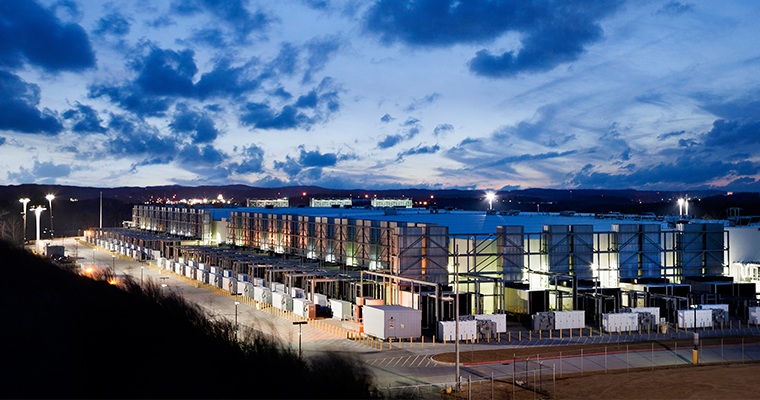
“Work is about to be booming everywhere here,” said Samples, a former business manager of Charleston Local 466. “With everything that’s getting ready to come to West Virginia, from data centers, power plants and even a titanium production facility near Ravenswood, we’ve got our work cut out for us.”
Local leaders across the state say success in capturing market share relies in part on creating rock-solid working relationships with the IBEW’s signatory contractors.

“We have contractors that help us go after work and aren’t afraid to go up against nonunion competition to fight for it,” Wheeling Local 141 Business Manager Glenn Giffin said.
“Our contractors are our No. 1 supporters in keeping nonunion competition out of our jurisdiction,” added Kevan Brown, business manager of Steubenville, Ohio, Local 246, whose territory extends into West Virginia’s northern panhandle.
Good relationships, said Local 466 Business Manager Chris Tincher, “also help tremendously in trying to keep contractors going after smaller work, too.”
Parkersburg Local 968 Business Manager Lorne Mills agreed. “You have to get that partnership with someone that’s going to be aggressive,” he said.
In recent years, ensuring work for IBEW members — or any union worker — had gotten tougher in a state that was renowned for its unionized coal, steel and railroad workforces for most of the 20th century.
“I think there’s still a certain amount of pride in a lot of West Virginians about our history,” said Clarksburg Local 596 Business Manager John Young.
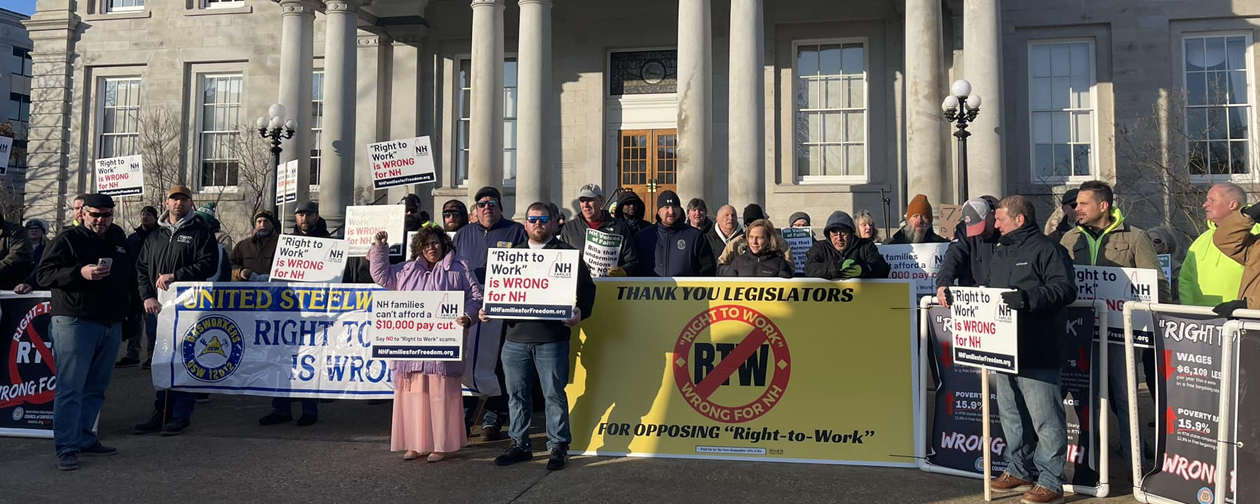
In the 1990s, declines in demand for domestic coal and steel gutted the state’s workforce. A decade ago, West Virginia’s Legislature banned project labor and prevailing wage agreements on government-funded construction projects, eliminating a tool that favored hiring union workers. It also enacted “right-to-work” legislation that further weakened labor’s power by letting workers choose to enjoy union representation without having to contribute to the costs of it.
“And still, union support scores are really high in West Virginia because it’s such a legacy thing,” Keyser said. “Most people have family members who worked in a coal mine or in the building trades. There’s still that community support.”
“[Market share reflects] the tenacity and cohesiveness of our business managers there.”
– Fourth District International Vice President Austin Keyser
Cumberland, Md., Local 307 Business Manager Rodney Rice, whose local also covers West Virginia’s five easternmost counties, often tries to help people understand some of what’s been lost.
“When we have to testify in front of a public service commission or anything like that, we push the fact that PLAs promote jobs for folks from the area,” he said.
Huntington Local 317’s organizers often find success in making that “local jobs/local people” connection, said Business Agent Greg Spears.
“One of the best tools we have is when we organize somebody and then their friends back where they were working find out that everything they’ve been hearing all these years [about the IBEW] is actually true,” Spears said. “Then we can try to pull some of those other guys in.”
“Local jobs for local workers” is an easy message to sell, said Giffin, who co-chairs Project Best, a nonprofit representing building trades unions and contractors in the upper Ohio River Valley.
“You throw that out on signs and billboards, and it gets out there,” he said.
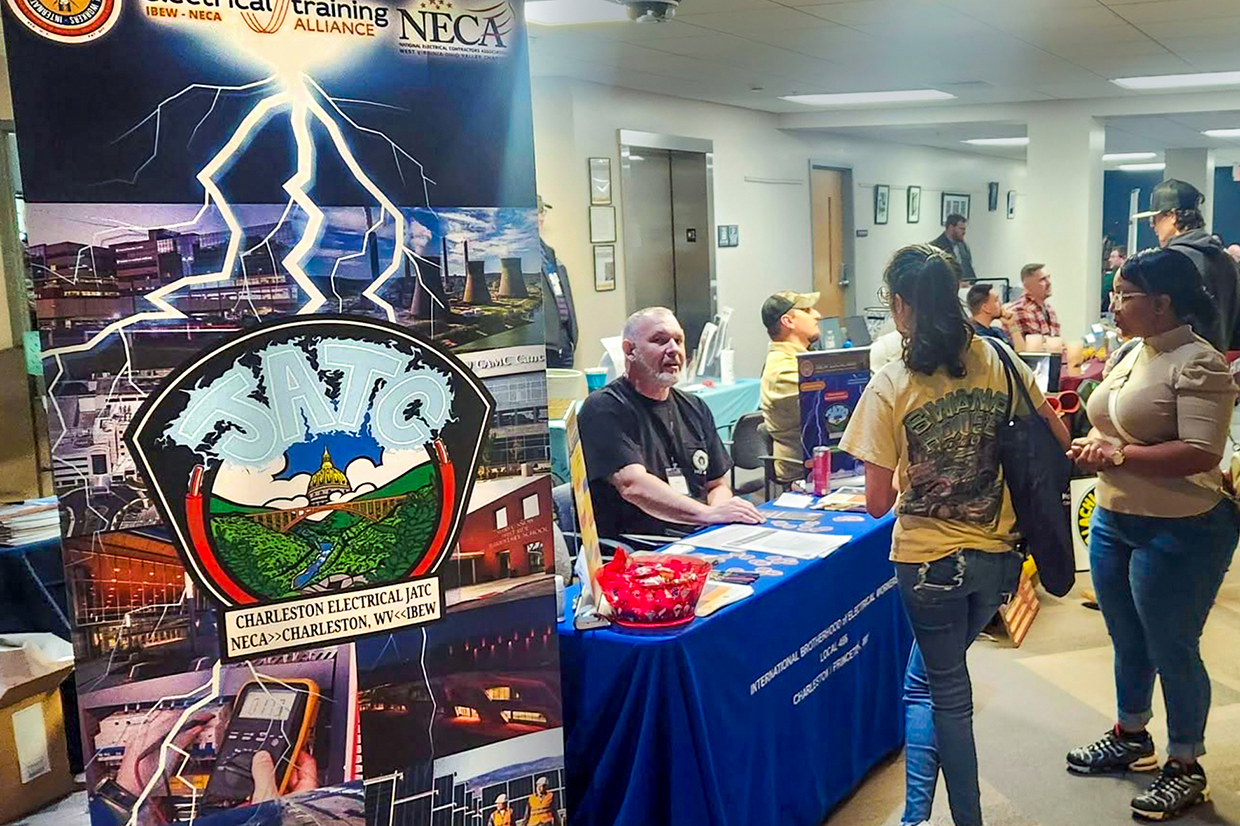
For Young, building awareness of the IBEW has helped Local 596 build connections with universities and businesses, which often translates into market share growth.
“We’ve relied on, over the years, relationships with refineries, powerhouses, Marshall University, the Cabell County school system, and most of the industrial places up and down the Ohio River,” Spears added.
Tincher said that political engagement at every level is also essential to any discussion about market share growth.
“Since we’re in the state capital, we’re very active with local politics, and we have a lot of friends in that world,” said Tincher, who was recently appointed to the Kanawha County Planning Commission and noted that Local 466 Training Director Dustin Vaughn sits on Charleston’s Workforce Development Board.
“You’ve got to use every tool in the toolbox to get every job,” said Rice, who is also president of Western Maryland Building and Construction Trades Council. “We fight for every man-hour we can get. We take nothing for granted.”
Meanwhile, Local 141 executive board member Cody Cumpston, who sits on Moundsville’s Planning Commission, and President David Cantrell are running for seats in the House of Delegates, while Local 596 President Shawn Young recently was elected to Buckhannon’s City Council and has since been appointed to the city’s water and sewage board.
For its part, Local 317 continues to maintain strong ties with House of Delegates member Evan Worrell, the chair of the Republican Labor Caucus, and Democrat Sean Hornbuckle, the House Minority Leader.
“There’s not necessarily ‘Democrat’ or ‘Republican’ when you’re talking about jobs,” Spears stressed, noting that both delegates work together frequently to bring attention to workers’ issues throughout the state.
Another key selling point for the IBEW is its well-educated workforce.
Local 968’s Mills noted that his local’s training director also works as a teacher in Wood County. Recently, officials from several counties have asked about having the IBEW help improve their vocational programs’ electrical offerings.
“Some of the resistance in schools that we’ve had in the past is kind of dropping away,” Mills said.
Tincher, who ran a safety business before he joined the union, experienced some of that union resistance firsthand.
During training sessions, “nonunion groups would bring firms in to say that unions are bad for businesses,” he said. “For a lot of older guys, that [message] has been drilled into their heads for years.”
Fortunately, Brown said, younger people seem to be better informed about the value of working in the unionized trades.
“They talk about how they’re looking forward to having some type of pension,” he said, “or they’re like, ‘Healthcare is ridiculously expensive, and I’d like to have that negotiated on my behalf.’”
Knowing that they could get that from an IBEW career is boosting growth in union training applications.
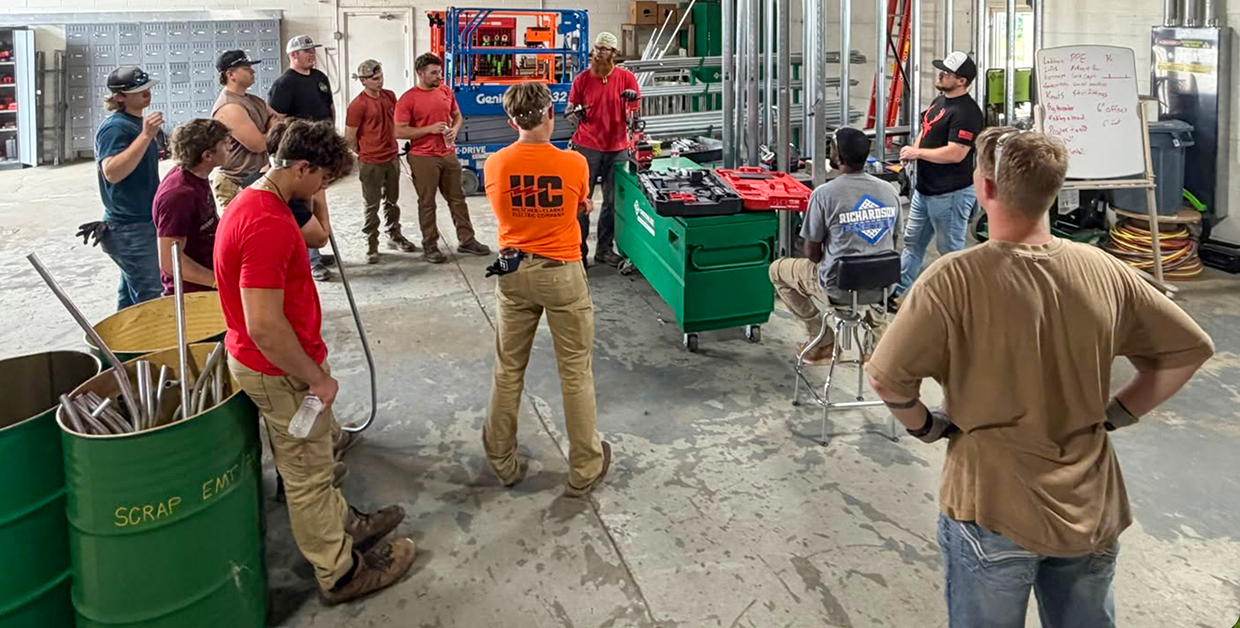
“We keep taking in apprentices, making sure we’re feeding into the union workforce,” Young said. “I don’t think we have as many private trade schools as other states, so our customers and contractors rely on us to provide skilled labor.”
Keyser applauded the local leaders’ work and acknowledged how it’s paying off for the IBEW.
“With all the things that have been diminished and taken away, we continue to grow in market share and drive good union density in West Virginia,” he said. “It’s a reflection of the tenacity and cohesiveness of our business managers there, really sticking together, using every tool and fighting through the political barriers to help keep more and more IBEW members working.”