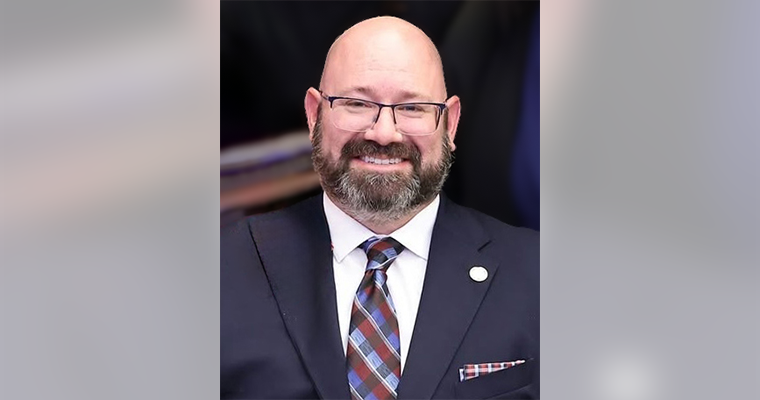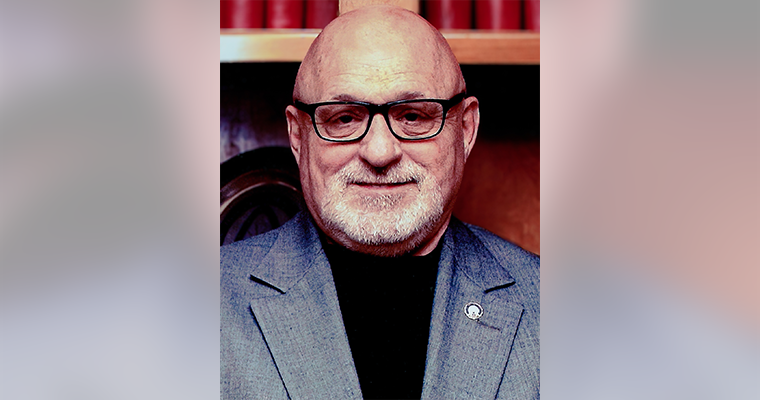
Detroit Local 48 member Craig Shilling endured one of the hardest experiences a parent can have when his son, Justin, was fatally shot in a school shooting. Instead of ignoring the pain or spiraling down a dark hole of mental crisis, he created a nonprofit organization to help others cope with mental health challenges.
“Craig has made it his life’s mission to get people to realize that seeking help is a sign of strength, not a sign of weakness,” Local 58 Business Manager James Soosik said.
Shilling, a journeyman wireman, started Caring and Helping Others Often Creates Hope, or CHOOCH, about three years ago. CHOOCH, a nickname of Justin’s, offers a variety of wellness methods, including programs for children and for coaches and other adults who work with students.
The wellness options include meditation and breath work; sound healing and movement-based stress reduction; and creative arts therapy including dance, music and visual arts.

“People don’t know what’s out there. They think therapy is just one thing, or they picture insane asylums and other outdated techniques,” Shilling said. “Now there are options that can help you deal with day-to-day stress, as well as healing for larger, more specific circumstances.”
Local 58 and CHOOCH co-hosted a mental health and wellness fair in June that brought together mindfulness practitioners alongside licensed therapists and mental health professionals who were available for confidential conversations. The fair also had information on therapy dogs and other emotional support offerings.
“Traditional therapy isn’t for everyone,” said Shilling, an IBEW member for 28 years. “We want to bring awareness to other practices that may be more appealing. The more options we can offer, the better.”
Local 58 has had members die by suicide, like far too many other locals. The statistics on mental health challenges and substance misuse in construction are striking. Building trades workers have significantly higher rates of injuries, fatalities, death by suicide and overdose deaths than American workers overall.
According to the Center for Construction Research and Training, construction workers account for roughly 7% of the workforce but 20% of on-the-job fatalities and 16% of opioid overdoses.
“There’s a strong stigma in construction that the best way to deal with mental health issues is through drug use and never talking about what you’re going through,” Soosik said. “Sometimes one member will reach out about another member who seems stressed. We need to have as many options available as possible to not only help that one member, but to encourage more members to speak up when they see something.”
CHOOCH’s school-age-oriented programs include Mindful Minis, designed to work with elementary school students on better ways to cope with things that may be difficult for a young person.
CHOOCH also has a Coaches Care program that helps adults identify signs of mental stress in their students.
“Coaches and parents have different roles,” Shilling said. “This is a way to have another set of eyes on their kids and guide them on how to help. There are a lot of good people out there. We just need to show them what to do.”
Soosik and Shilling are talking about what they could do the next time they hold a mental health fair, including opening it to other building trades.
“We need to remind people that mental health struggles are part of the human experience,” Soosik said. “No one is immune.”
CHOOCH is one way to get those difficult conversations started, Shilling said.
“The more you talk, the more you help. And once you start talking, it becomes a chain reaction that can lead to healing.”