
MORE Members, MORE Work, MORE Power
The rawest exercise of power in the United States is constructing the laws that control the balance of power between labor and the owners of capital. The IBEW is involved in politics because laws can make it easier for people to organize or they can make it harder. For the last half-century, new laws have been making it harder.
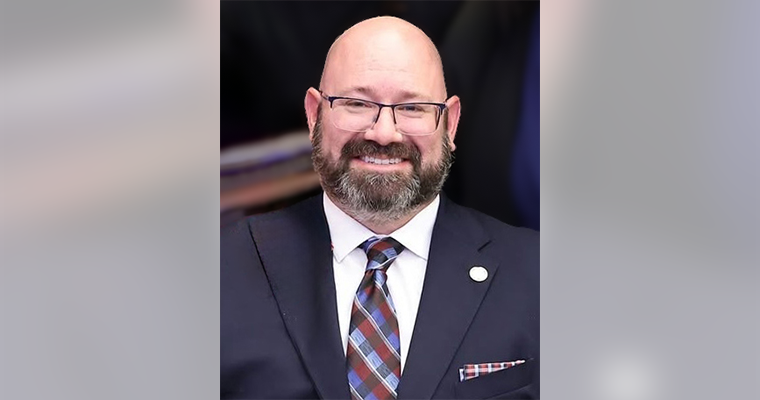
For the last 12 years, one of our own has been rising in the halls of Congress, New Jersey Rep. Donald Norcross, a member of Folsom Local 351. In one of the most unproductive, partisan Congresses in U.S. history, Norcross led a successful fight for a bill that would make it easier for millions of people to organize. That is power you can’t ignore.
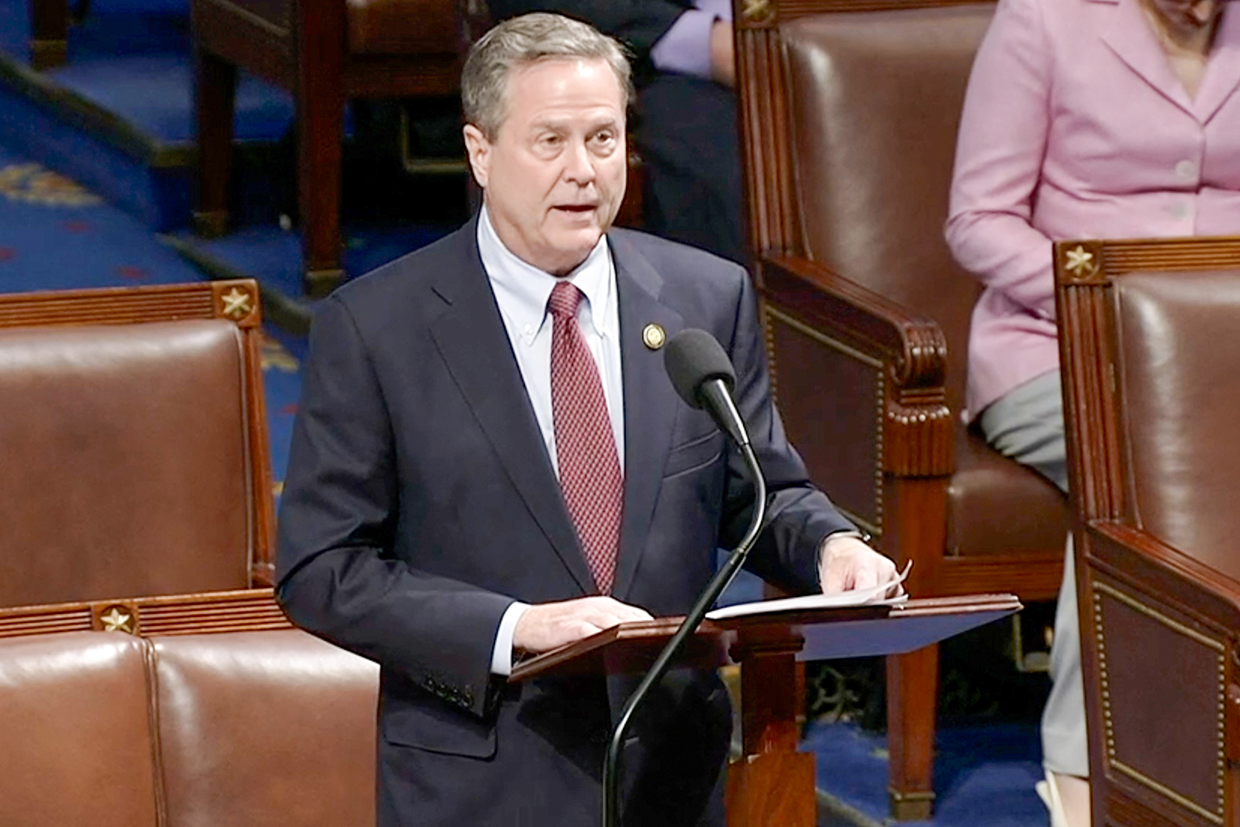
A union-busting loophole in U.S. labor law got one step closer to elimination when a bipartisan majority in the House of Representatives passed the Faster Labor Contracts Act.
“One of the most important tools a union has to get a seat at the table is the right to collectively bargain,” said New Jersey Rep. Donald Norcross, a member of Folsom, N.J., Local 351 and a principal co-sponsor of the FLCA when it was introduced in the House in 2024.
The bill passed by a 230-193 vote June 9, with 20 Republicans joining nearly all Democrats in voting “yes.”
A big problem for workers who want to form a union is that after they make the effort to get their unionizing elections certified, there are no deadlines for employers to agree to a contract with the new bargaining unit, Norcross said.
“It can take an average of 458 days for an employer to agree with a union on their first contract,” said Norcross, a journeyman inside wireman and former Local 351 business representative who has represented New Jersey’s 1st Congressional District since 2014. “Roughly a third of workers are forced to wait over three years before they can sign on the dotted line.”
Employers know that if they hold up negotiations long enough, frustrated workers might decide unionizing wasn’t worth the effort, he said. Meanwhile, employers know that making collective bargaining as painful as possible could discourage other workers from trying to organize.
“One of the most important tools a union has to get a seat at the table is the right to collectively bargain.”
– New Jersey Rep. Donald Norcross, a member of Folsom, N.J., Local 351
Among the FLCA’s key provisions is a requirement for employers to quickly begin contract negotiations — within just 10 days of a union election certification. If a new agreement is not reached after 90 more days, either party would then be empowered to request independent mediation. Should another month go by with no agreement reached, the FLCA provides for parties to ask an arbitration panel to step in and decide on a binding, two-year first contract.
The bipartisan support for the FLCA proved crucial when Norcross sought to force a House vote on the measure — after Speaker Mike Johnson failed to schedule it for consideration — through what’s known as a discharge petition.
“Our bill reaffirms that collective bargaining is a fundamental right that even the richest billionaires must comply with,” Norcross said in a speech on the House floor before the vote. “And by advancing this legislation, Congress can send a clear message that workers deserve a level playing field — and that organized labor is still capable of bettering the lives of everyone.”
International President Kenneth W. Cooper applauded Norcross’ work in getting the FLCA past this crucial legislative hurdle.
“Don’s the only IBEW electrician in Congress, and his work on moving this bill forward shows why it’s so important for more of our members to run for public office,” Cooper said. “Getting the FLCA passed and making good-faith bargaining a part of labor law will go a long way toward helping thousands of workers — in the IBEW and all the other unions — to start experiencing the benefits of a union contract in a matter of months, not years.”
With no vote set for the FLCA’s companion measure in the Senate, S. 844, Cooper encouraged IBEW members to call their senators at (202) 224-3121 and urge them to support its passage.
“Workers have a fundamental right to bargain collectively, but for too long, it’s been far too easy for executives to run out the clock on workers’ first union contracts,” he said. “It’s time for Congress to do its part and pass what might be one of the biggest advances in workers’ rights in decades.”
Visit ibewgov.org for the latest updates.