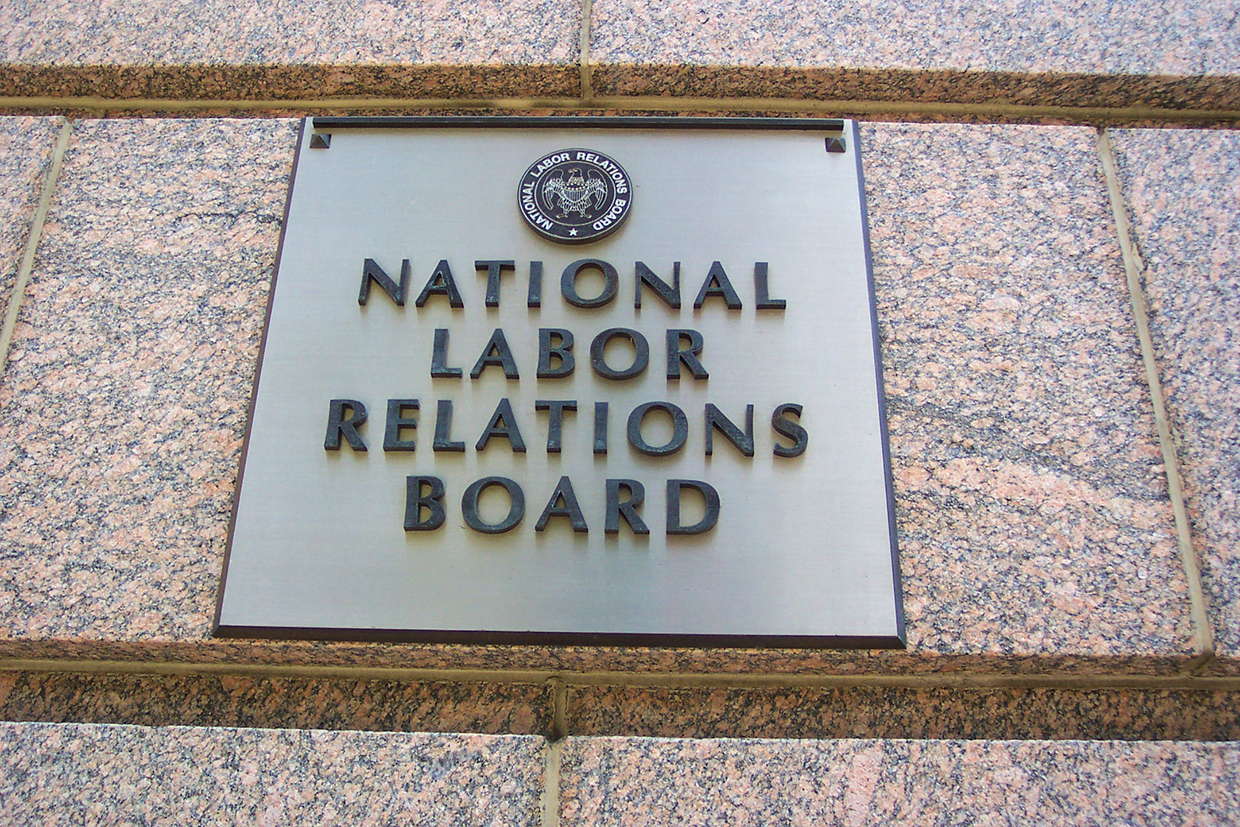
After 10 months without a quorum at the National Labor Relations Board, a new 2-1 pro-employer majority has its eye out for cases they can use to undo precedents set by the previous board during four years of historic progress for workers and unions.
High on the board’s hit list are the 2023 Cemex decision, which makes it harder for employers to interfere with organizing drives, and a 2024 ruling that banned captive-audience meetings. The pair of rulings stripped union-busting bosses of some of their most potent weapons.
But the backpedaling at the NLRB isn’t limited to board decisions. Policy memos issued by the general counsel’s office are also attacking workers’ rights, largely by revoking the bold directives of Biden-era General Counsel Jennifer Abruzzo.
Her reforms were driven by the founding mission of the 1935 National Labor Relations Act: that the federal government must protect the rights of workers to organize and bargain collectively, and even encourage the growth of unions. The NLRB was established to enforce the law and penalize violators.
Instead, labor movement observers see a corporate ethos taking hold, delaying or denying justice for wronged workers, squeezing the agency’s bone-dry budget and demoralizing the shrinking NLRB staff. Several longtime employees described as much in a December 2025 article in the Guardian, which agreed to conceal their identities.
“Employees just want to do our jobs and be treated with respect,” one said. “But from day one, this administration has crippled the agency and treated us as enemies.” The same person said staff is “disgusted” by the damage they’re witnessing firsthand.
For example, a massive backlog of cases piled up until Senate confirmation of two Trump nominees in January. Hearings and votes were suspended for most of 2025, a situation created when the president illegally fired Biden appointee Gwynne Wilcox from the board with more than three years left in her term. An unprecedented move by any White House, her removal ultimately was upheld by the U.S. Supreme Court.
Not all problems are new. For years, the budget-starved and understaffed agency has struggled to investigate and remedy all unfair labor practice claims, annually pleading with Congress for more money.
Yet the board’s new leadership asked for $14 million less than the $299 million allocated last year. It also has eliminated another 100 jobs, reducing staff that handles cases to its lowest point in 17 years.
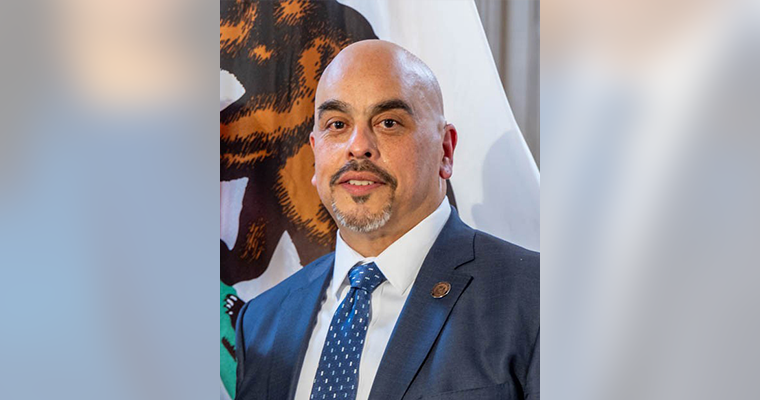
International President Kenneth W. Cooper is accustomed to pendulum swings at the NLRB depending on which party wins the White House, as well as congressional action and federal lawsuits. Of recent note, a case filed by some of the nation’s best-known corporations challenges the board’s very existence.
“The NLRB’s ability to protect and enforce our rights as workers and union members has been under attack since the 1940s, so we’ve got a lot of practice fighting back,” Cooper said. “But what we’re witnessing now is a different type of threat: a deliberate pattern of neglect and hostility from inside the board itself.”