
International President
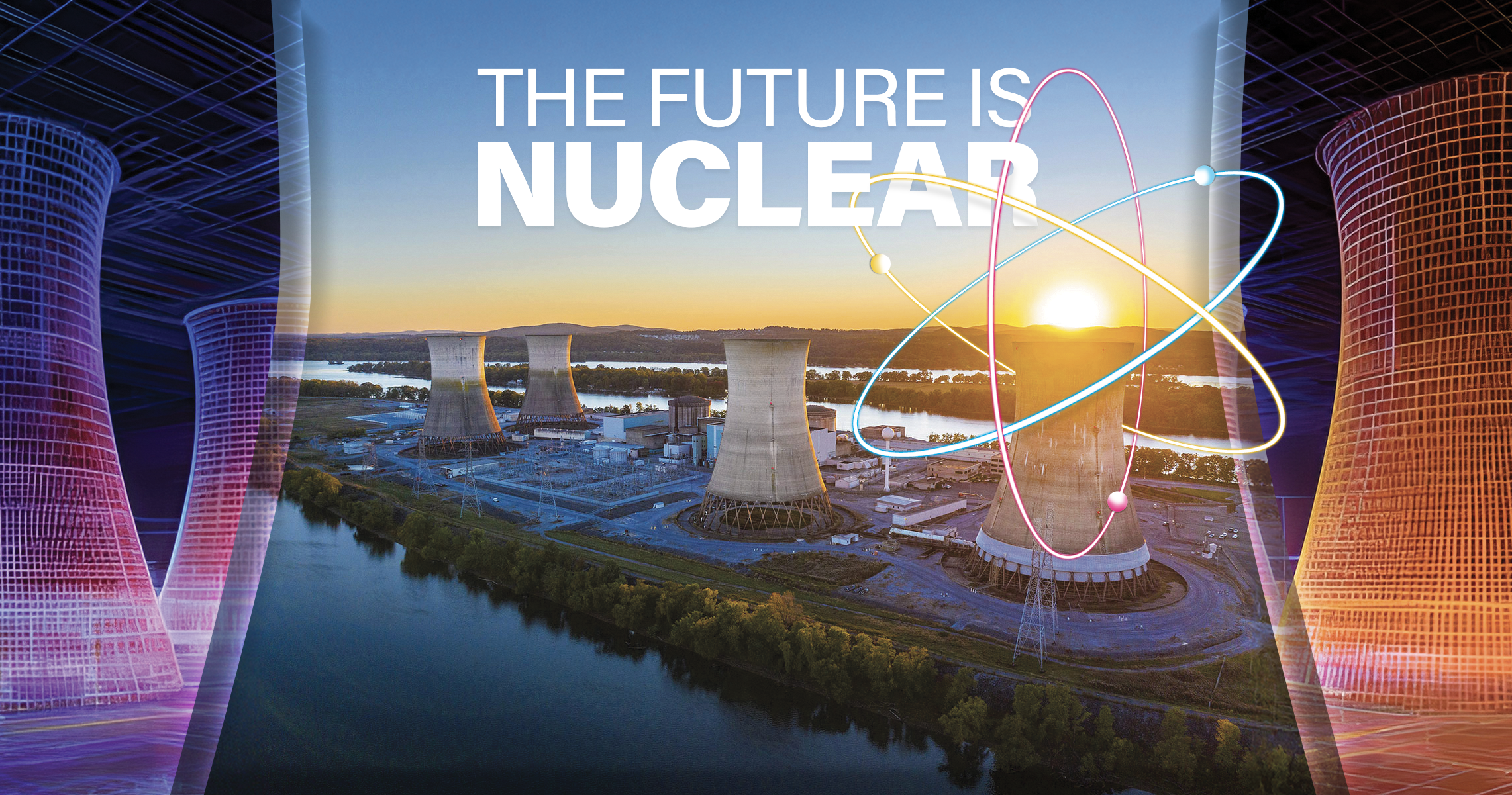
The first commercial nuclear power plant in the world was built in Shippingport, Pa. Ed Hill’s Beaver Local 712 built it decades before he was international president.
But the wave of nuclear development that followed dried up decades ago. The last entirely new U.S. nuclear plant, Shearon Harris in North Carolina, began construction nearly 50 years ago. The last new reactors — Vogtle units 3 and 4 — started construction more than a decade ago.
Now there is a great chance that the nuclear pause in North America is over.
If we do this right, North America will be the innovation hub and industrial engine of clean, reliable and safe power generation for the next century.
There are new projects and potential projects everywhere, and this month’s cover story goes into great detail about them.
I want to talk about what it could all look like if Canada and the U.S. get our policies right and give our union workforce the chance to do our work building a nuclear power revolution once again.
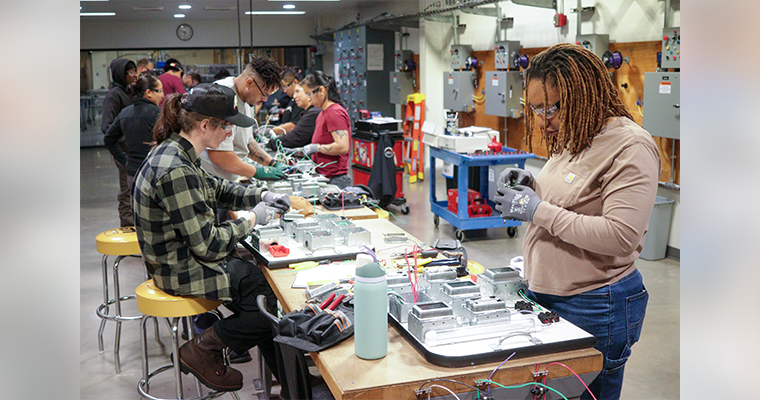
Picture a huge industrial park not far from the Oak Ridge National Lab in Tennessee. An ecosystem of factories is turning out nuclear reactors and the parts that go into them. Tens of thousands of union electricians, machinists, pipefitters and more build the reactors, reactor heads, steam generators and transformers that make up a modern small modular reactor unit that fits into a standard shipping container.
Those containers go across the continent. Because they are modular and have a small footprint, the containerized nuclear reactors can end the power shortage that is strangling economic growth all over North America.
In other places, the challenge may not be lack of space but the number of skilled union trades workers. A classic 1,000-plus-megawatt nuclear reactor project would rely on thousands of travelers. The new small modular reactors — whether traditional light water or the exotic fuels and coolants of Gen IV nuclear power — have labor demands that locals can sustainably meet.
All across the country, standard, safe designs and an experienced, productive workforce make installing nuclear power safe, fast and profitable.
And there is no reason that union dockworkers couldn’t load those containers and ship them anywhere and everywhere in the world.
It’s a beautiful picture with labor, industry and government working to meet the moment for the benefit of all.
However, if any of us get it wrong, the containers could just as easily come from Beijing or Guangdong.
The Chinese nuclear industry has a head start. They already have operational SMR and Gen IV units, and their nuclear workforce is building 28 reactors right now.
If we are going to hold on to, let alone grow, our domestic nuclear industry, government, industry and labor have to find common cause around permitting and siting reform, production incentives, industrial policy, and worker productivity. The reward for getting it right is safe, clean, reliable energy, a world eager to buy it for themselves and money in our pockets.
If we fail to meet the moment, we will take another irreversible step toward being a pair of countries that take instead of ones that make.