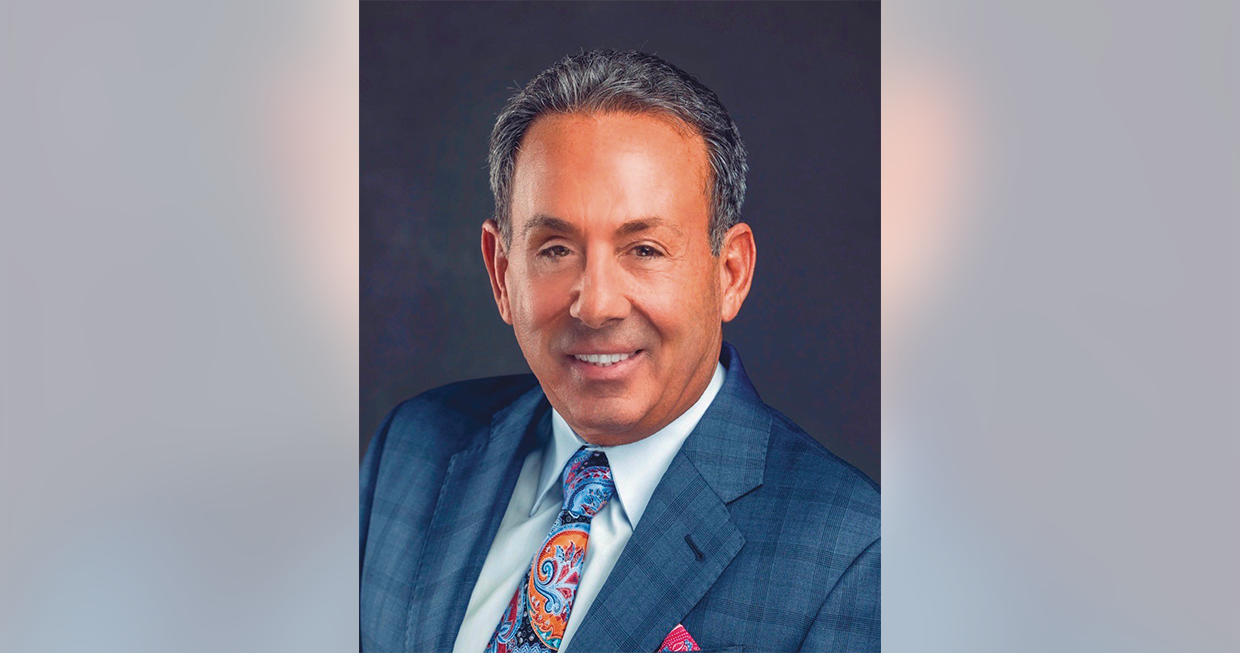
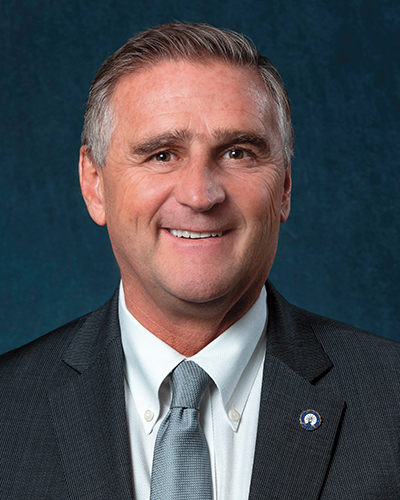
International President
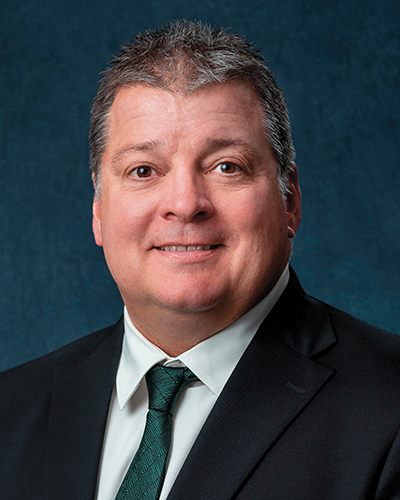
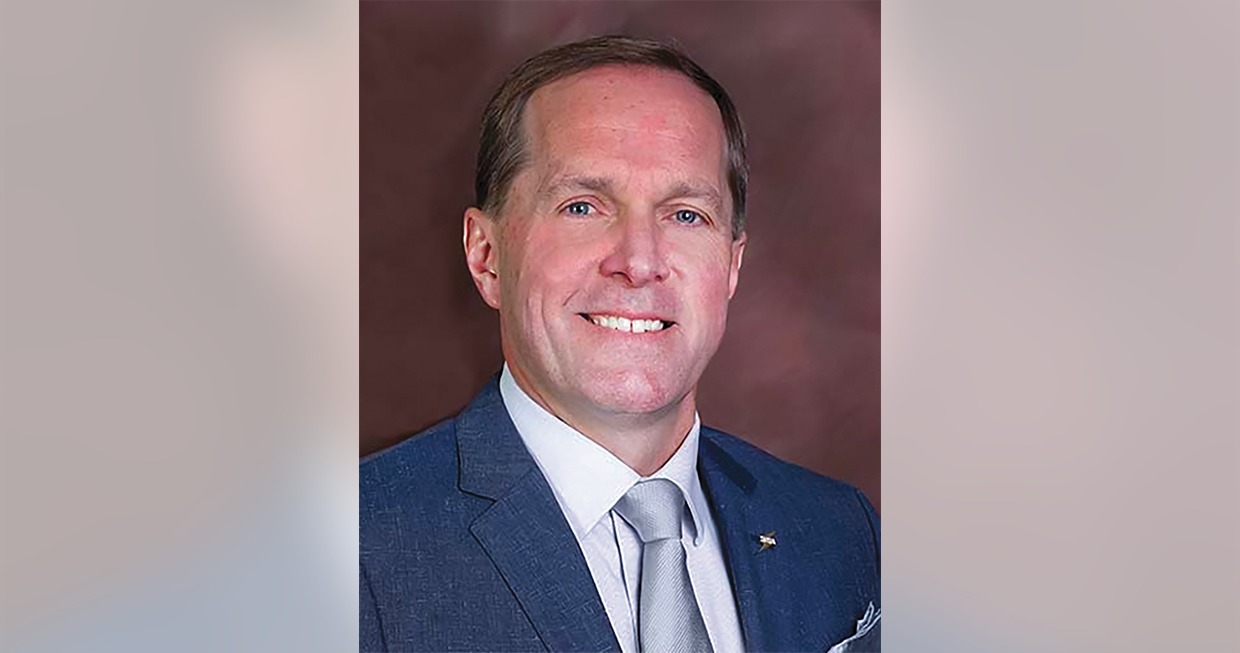
International Secretary-Treasurer
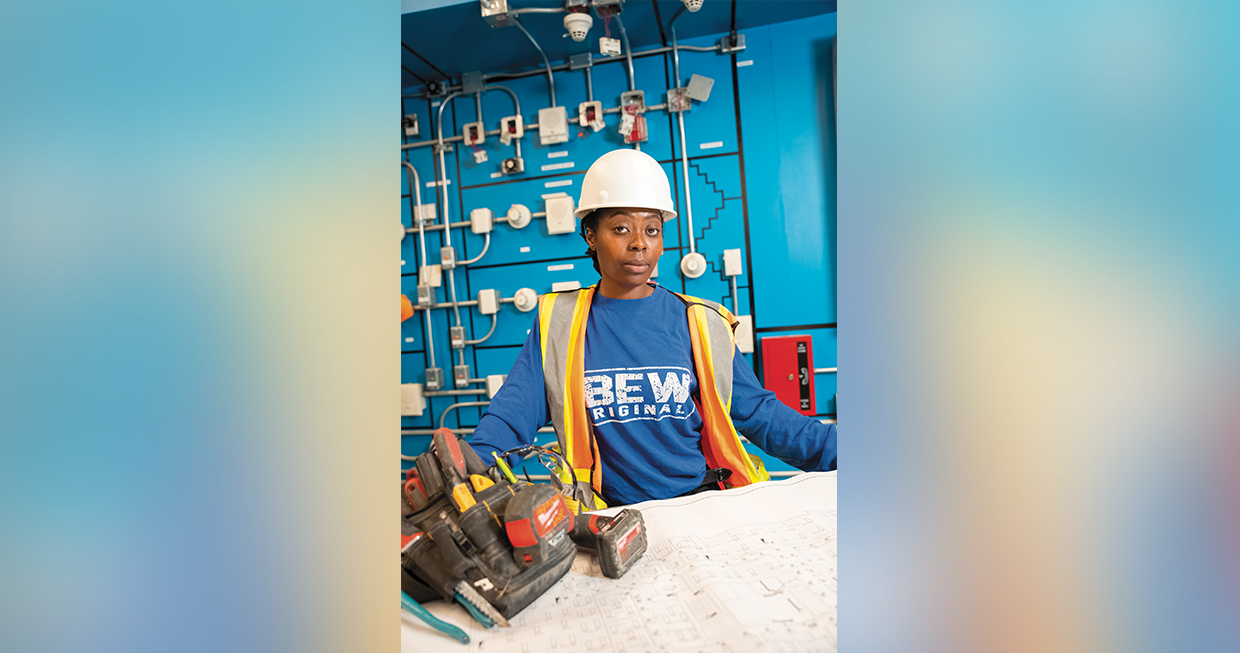
Last November, in an act of senseless violence, 20-year-old welder Amber Czech was murdered at her workplace by a co-worker. This tragic loss has shaken the entire construction industry, and the IBEW mourns alongside her family, friends and all who knew her. Violence has no place in our industry, whether on the jobsite or in our union halls.
Making sure every worker returns home safely to their family every day is one of the core missions of the IBEW, and we are fully committed to doing whatever it takes to ensure that no worker ever becomes a victim of workplace violence.
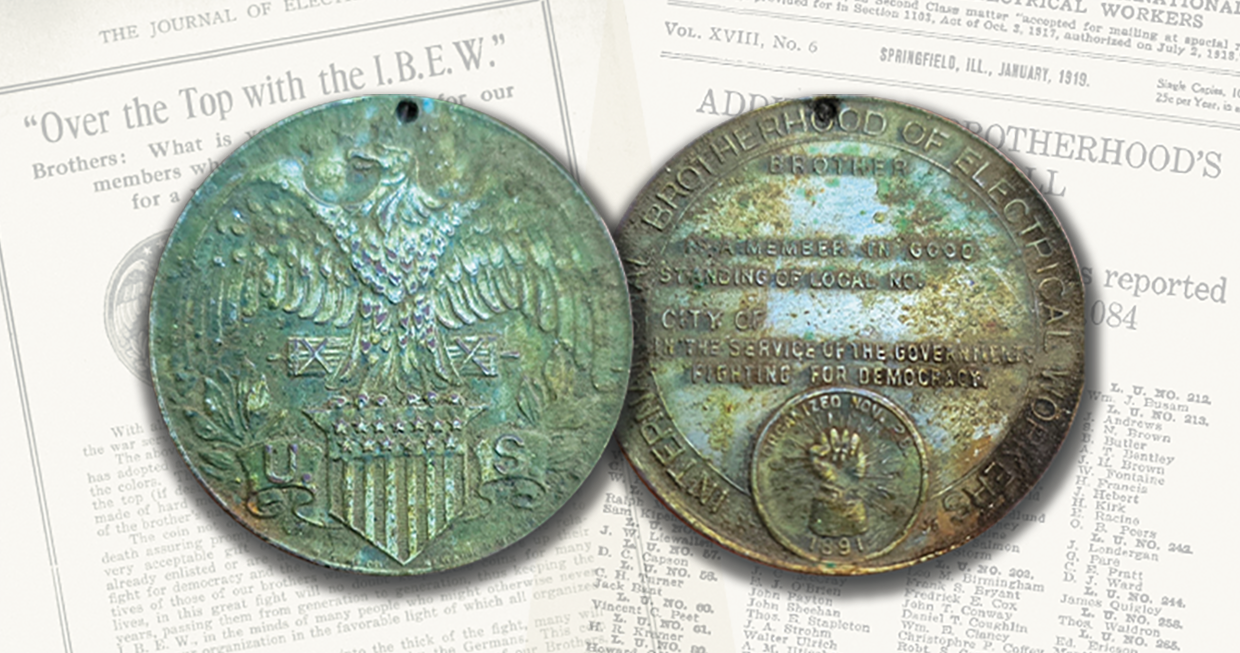
Safety has always been a defining priority of our union. At our founding, the electrical industry was among the most dangerous in North America. In some areas, the mortality rate for linemen was one in two. Nationally, electrical workers died on the job at twice the rate of all other industries. Union organizers themselves often faced violence — sometimes fatal violence — from anti-labor employers and the police.
Yet the newly formed IBEW fought relentlessly for tougher standards and, crucially, for the power to enforce them. Over 135 years, that fight has helped slash death and injury rates throughout the electrical industry.
Our commitment has always gone above and beyond rules and regulations. The IBEW built a culture of safety — one that expects every member to follow the standards and shows zero tolerance for anyone who does not. Just as it takes only one broken link to weaken an entire chain, one person ignoring safety puts everyone at risk.
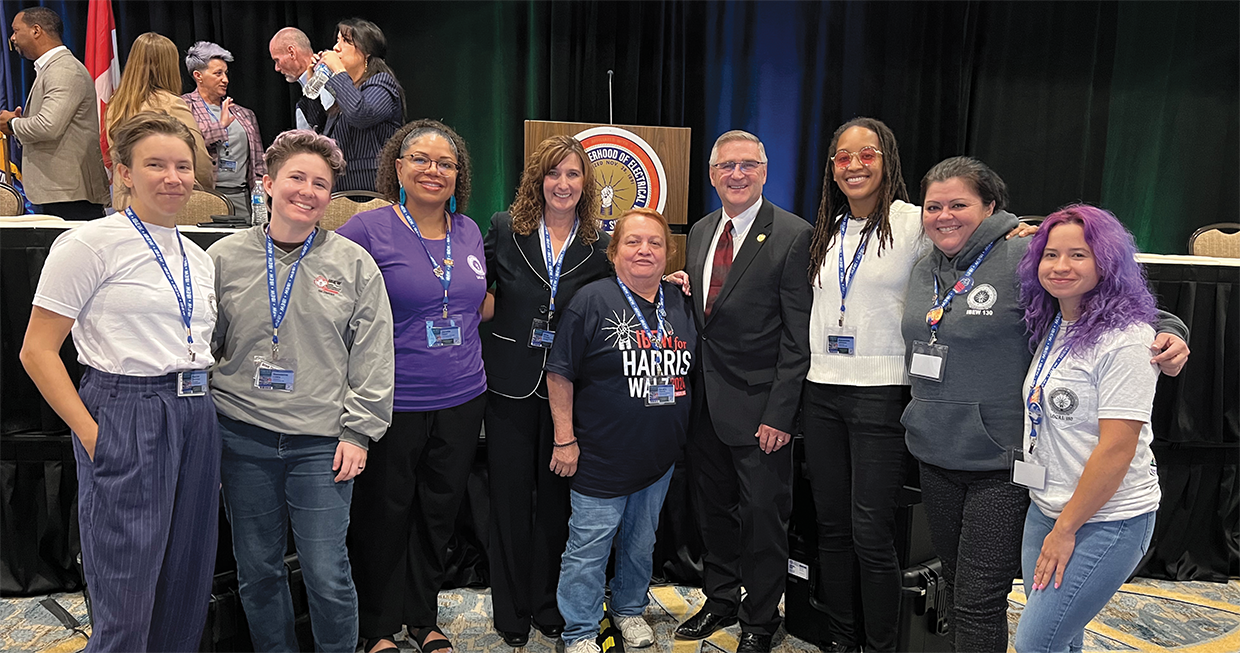
That’s why we are so focused on transforming jobsite culture by directly confronting bullying and harassment. Through the leadership of our Women’s Committees, RENEW/NextGen and the Electrical Workers Minority Caucus, we are raising the bar for what a safe and respectful workplace looks like — and strengthening on-the-job solidarity so every worker is treated with dignity.
In this issue of The Electrical Worker are stories of women IBEW activists who are transforming our industry into places welcoming to all. Programs like IBEW Strong and our new Bystander to Upstander training program reinforce a culture where intimidation and discrimination are challenged, not tolerated. That is the union creed: An injury to one is an injury to all. Every IBEW member — regardless of gender, color or creed — deserves a workplace that is safe, welcoming and free of harassment. And it is everyone’s responsibility to make that a reality.
Safety also means ensuring that every worker can recognize and respond to signs of potential violence. And it means taking a hard look at the real risks women face in male-dominated workplaces. Labor and management must work together to implement strong, enforceable health and safety standards.
We must be honest with ourselves: Too many women in construction still endure harassment and discrimination, including on IBEW jobsites. The case of Amber Czech makes painfully clear that violence against women is still a reality in our industry.
This behavior is morally wrong, and destructive to the IBEW as a whole. When workers are mistreated or marginalized, we lose highly skilled and committed members. We alienate future members. We divide workers from one another. We weaken our bargaining power and undermine the unity we need to win the wages, benefits and protections we all depend on. In short, harassment anywhere in the IBEW harms the entire IBEW.
As New Orleans Local 130 member Janelle DeJan told The Electrical Worker: “Bringing more women into the trade is only the beginning. The real work is making sure they stay, thrive and advance.” And she is right.
It is in every IBEW member’s interest to help create respectful and inclusive workplaces. When we act as passive bystanders to bullying or harassment, we weaken the bonds of solidarity that give the IBEW power. But when we speak out for our brothers and sisters, offering the support and respect they deserve, the union grows stronger.
We must also confront the mental health crisis affecting the construction industry. Suicide rates among construction workers are among the highest of any occupation. The reasons are many, including long hours, physical stress and a culture that too often treats emotional struggles with shame. The sad truth is that few locals have been spared the loss of a member to suicide in recent years. Again, every IBEW member has a role to play: Recognize when a co-worker may be struggling, ask how they’re doing, and connect them with the resources our union provides.
Over the past year, the IBEW and NECA’s Family Medical Care Plan has developed a comprehensive mental health initiative, partnering with the National Council for Mental Wellbeing to offer workplace mental health first-aid training and certification. And many locals are likewise investing in mental health services.
We all have a role to play in shaping the IBEW’s future. Every day, we are growing, opening doors of opportunity for working people of all backgrounds. But we can continue on this path only if we work to ensure that our unions and jobsites are welcoming to everyone who shares our values: hard work, solidarity and excellence.
Committing to a harassment-free IBEW requires more than reflection. It demands action. It calls on each of us to strengthen the culture of safety, solidarity and mutual respect that has defined us for 135 years. When we look out for one another, challenge harassment and intimidation wherever they appear, support members who are struggling and ensure that every worker feels valued and protected, we build a union worthy of the people within it.
Together, we can create the kind of industry where tragedies like Amber Czech’s never happen again, and where every worker can build a career with dignity, pride, and confidence.